







Search Results for: Typica Variety
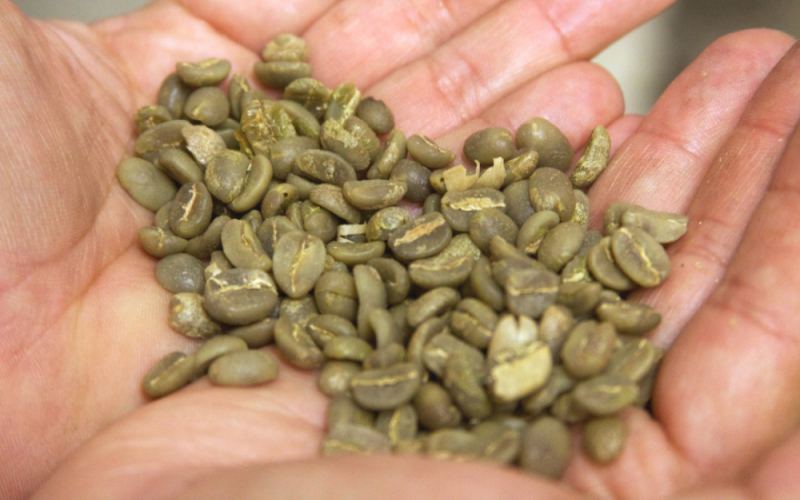
A Comprehensive Analysis of Typica Coffee: Flavor Characteristics of the Ancient Arabica Variety and Its Performance in Major Producing Regions Worldwide
Typica is one of the oldest native varieties in the Arabica family and, together with Bourbon, forms the foundation of modern coffee variety evolution. Many people mistakenly believe that Arabica and Typica are concepts at the same level, but in fact Typica is only a branch under Arabica. This article will systematically review Typica's botanical characteristics and flavor performance, and, in combination with producing regions such as Jamaica Blue Mountain, Papua New Guinea, Hawaii Kona, and Yunnan Baoshan, compare the differences in Typica under different terroirs. Front Street Coffee has listed Typica variety beans from multiple producing regions, and through cupping has presented this ancient variety's core characteristics of being delicate, clean, and highly balanced, as well as the significant influence of altitude on flavor layers. [more…]
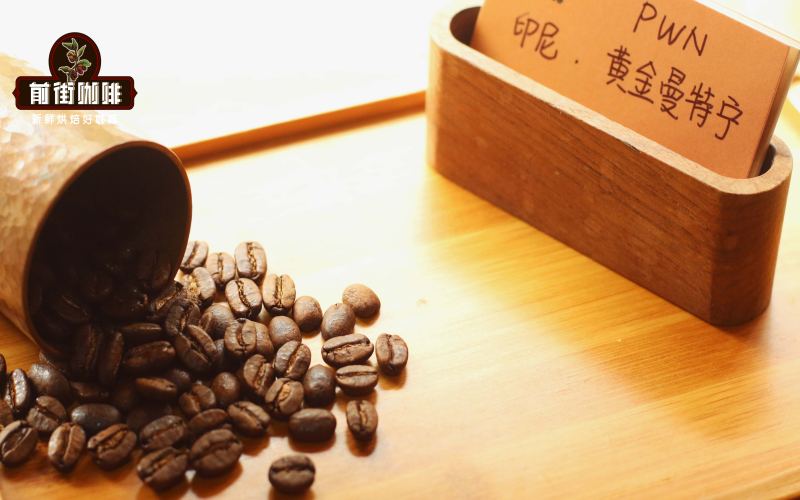
Typica Coffee Variety Characteristics and Flavor Analysis: Taste Differences Between Blue Mountain, Yunnan, and Bourbon-Series Coffee Beans
Typica is one of the oldest varieties of Arabica coffee, and many well-known coffee beans today, such as Blue Mountain, Mandheling, and Yunnan Peaberry, share inextricably close genetic ties with it. From the perspective of Front Street Coffee, this article systematically sorts out Typica's flavor characteristics and cultivation history, extends to the varietal evolution of the Bourbon family, and compares the differences between Blue Mountain coffee and Yunnan coffee in variety selection and taste performance. Whether you are a coffee enthusiast just starting out or a connoisseur who enjoys exploring the stories behind varieties, you can gain a complete understanding of Typica and its derived varieties. [more…]

Exploring the Typica Coffee Variety: From Bean Characteristics to a Flavor Analysis of Front Street Coffee's 2013 Sun-Dried Yunnan
Typica is one of the oldest varieties of Arabica coffee and the genetic source of many high-quality coffees. This article will take you deep into the botanical characteristics, historical origins, and flavor profile of Typica coffee beans, and focus on the Yunnan production region to explain the "Front Street 2013" sun-dried Typica cultivated by Front Street Coffee at its Lincang plantation. From seedling cultivation to stable production, this bean took seven years, and it presents aromas of nuts, caramel, and toasted bread, as well as layers of plum, cream, and soft fruit acidity. At the same time, we will also share the Front Street roaster's medium slow-roast curve and pour-over parameters to help you better reproduce the roundness and sweetness of this Yunnan Typica. [more…]
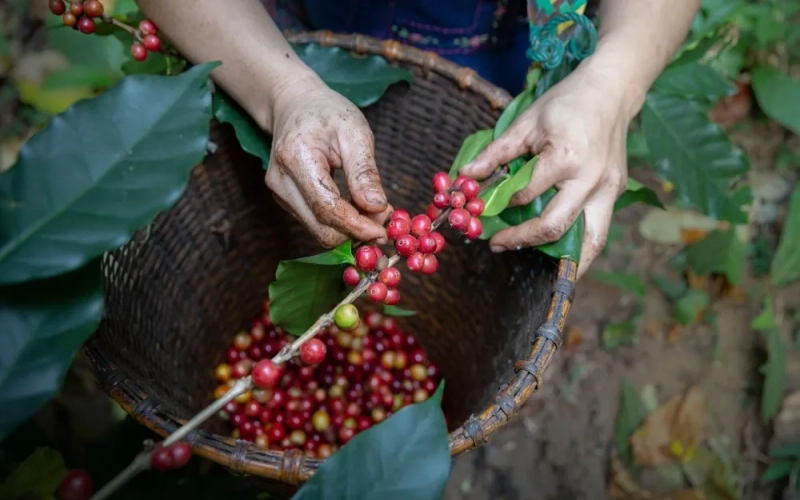
Flavor Analysis of the Typica Coffee Variety: A Flavor Comparison Between Taiwan Alishan and Panama Typica
Typica is one of the oldest varieties of Arabica coffee and a presence that cannot be overlooked in the world of specialty coffee. Its cultivation footprint spans the globe, from Jamaica Blue Mountain to Panama and Taiwan's Alishan, where different terroirs give Typica strikingly different flavor expressions. This article will introduce you to the origins and spread of the Typica variety, explain why it remains highly sought after despite its low yield, and compare the flavor differences between Taiwan Alishan and Panama Typica. At the same time, we will also recommend several high-quality Typica pour-over single origins from Front Street Coffee to help you experience the elegant charm of this ancient variety in the cup. [more…]
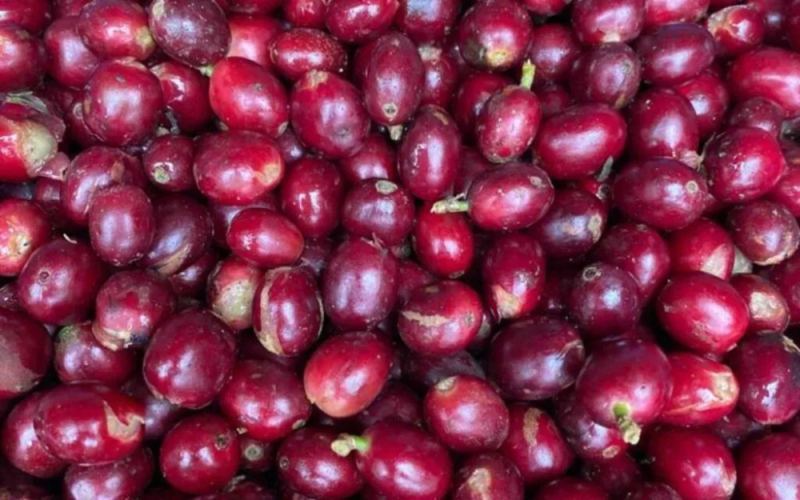
What Exactly Is the Improved Typica Mejorado Variety? A Full Analysis of the Origins and Flavor of This Rare Coffee Variety
Typica Mejorado is one of the representative bean varieties of Ecuadorian specialty coffee. Although its name contains "Typica," it actually has no direct genetic relationship with Typica. It originated from a breeding trial project established by Nestlé in Pichincha Province, Ecuador, and was created by crossing Red Bourbon with Ethiopian native varieties. It became popular among local coffee farmers due to its outstanding pest resistance. At Ecuador's first COE in 2021, Typica Mejorado took 10 of the 23 winning beans scoring above 87 points, and its fame soared thereafter. This article will help you gain a comprehensive understanding of this rare variety from the perspectives of its origins, genetic identification, competition performance, and flavor characteristics. [more…]
An In-Depth Look at Typica Coffee Beans: Traits, Spread, and Flavor Profile of Arabica's Original Variety
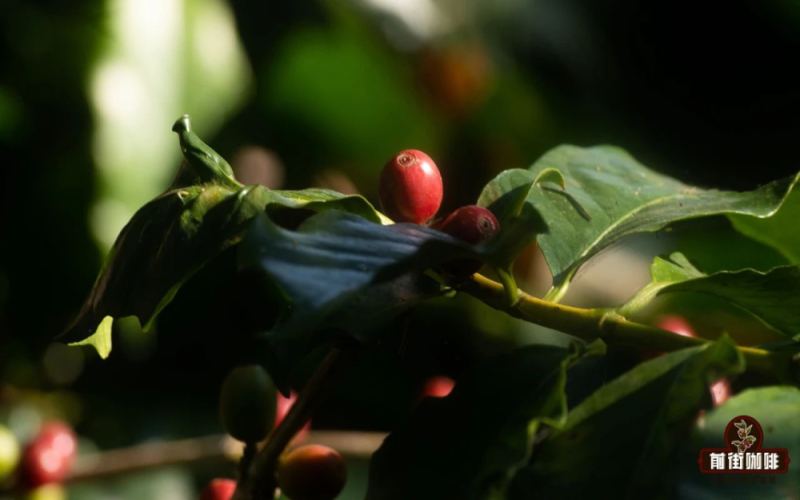
Typica is the most representative native variety of Arabica coffee and is widely recognized as the prototype of all Arabica mutations. Its history can be traced back to the coffee birthplace in southwestern Ethiopia, and it later spread gradually around the world via Yemen, India, Java, the Netherlands, and South America. The Typica coffee tree is characterized by bronze-colored young leaves, a tall and slender shape, and beans that are somewhat long, pointed, and curved. In terms of flavor, it often has citric acidity and clean sweetness, but it has extremely poor disease resistance, low yields, and high cultivation costs. This article will systematically review Typica's botanical characteristics, spread routes, and flavor differences among producing regions, and, in combination with Front Street Coffee's available bean selections from Papua New Guinea, Jamaica, Tanzania, and Lincang, Yunnan, share roasting and pour-over extraction ideas. [more…]
What is the connection between Typica and Arabica? A detailed look at Typica's variety characteristics, spread history, and flavor differences across origins
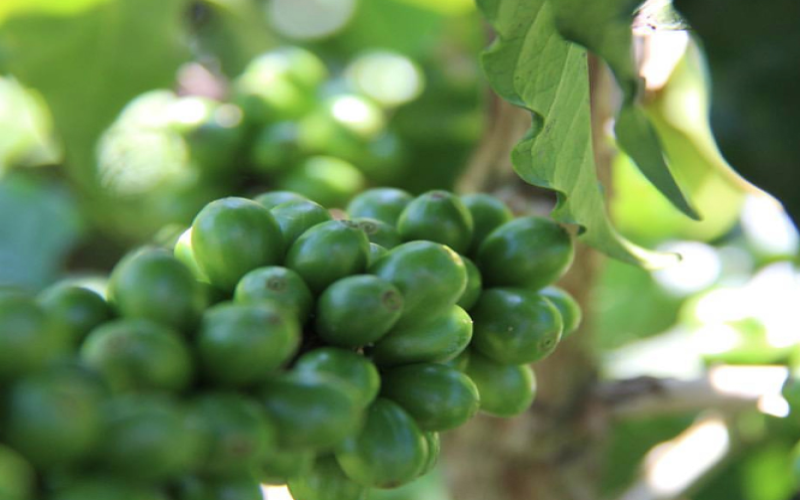
Typica is the most representative ancient variety among Arabica coffees and is widely recognized as the prototype of all Arabica varieties. This article will clarify the subordinate relationship between Typica and Arabica, introduce the botanical characteristics of the Typica coffee tree, its historical dissemination routes, and the flavor expressions from different origins (Jamaica Blue Mountain, Papua New Guinea Bird of Paradise, Yunnan Typica, etc.). It will also share Front Street Coffee's roasting approach and pour-over extraction parameters for Typica, helping coffee enthusiasts gain a more comprehensive understanding of the unique charm of this classic variety. [more…]
A Complete Analysis of the Typica Coffee Variety: From Origin and Spread to Flavor Characteristics and Pour-Over Parameters
Typica is widely recognized as the prototype of all Arabica coffee varieties and is an essential part of coffee variety knowledge. It originated in southwestern Ethiopia, the birthplace of Arabica coffee, and spread with seeds throughout Yemen, India, Java, and Dutch botanical gardens, eventually reaching South and Central America. The young leaves at the top of the Typica coffee tree are bronze-red, earning it the nickname "red-topped coffee," but it has poor disease resistance and low yield, making it difficult to cultivate. This article will explore Typica's botanical characteristics, its spread history, flavor profiles in different producing regions, and the pour-over extraction parameters used by Front Street Coffee for Typica grown in Lincang, Yunnan, to give you a comprehensive understanding of this ancient and elegant coffee variety. [more…]

Yunnan Typica Coffee Bean Variety Analysis: From Ancient Heirloom to Front Street Coffee's Specialty Natural Process Flavor
The evolution of Yunnan coffee varieties is a history worth knowing. Today, the Yunnan beans commonly found on the market are mainly Catimor, but the first to take root in this land was actually Typica, the oldest variety in the Arabica family. From Nestlé's promotion of disease-resistant, high-yield varieties leading to the large-scale replacement of Typica, to the gradual improvement of Catimor quality under the specialty coffee wave, and then to Front Street Estate's insistence on cultivating Typica and releasing natural-process lots, Yunnan coffee's flavor spectrum is richer than one might imagine. This article will sort out the relationship between Typica and Catimor, introduce the characteristics of each variety, and provide specific Front Street product recommendations to help coffee lovers find a Yunnan coffee suited to their taste. [more…]
Yunnan Typica Coffee Bean Variety Traceability: From Ancient Native Species to Front Street Specialty Natural Process Flavor Analysis
The evolution of coffee varieties in Yunnan is a story worth revisiting. Many people do not know that the Catimor now found throughout Yunnan was not the original coffee lineage of this land. What truly earned Yunnan's small-bean coffee its reputation was Typica, the oldest native variety in the Arabica family. Later, due to insufficient disease resistance and low yields, Typica gradually gave way to S288 and Catimor amid the variety replacement pushed by Nestlé. Even so, Typica's uniquely quiet, clean, and balanced cup has always been unforgettable. Through Typica planted in Lincang, Yunnan, in 2013, Front Street Coffee uses a natural process to reveal layers of brown sugar, plum, prune, and chocolate, allowing coffee lovers to rediscover the classic flavors of Yunnan specialty coffee. [more…]
Tracing the Origins of the Yunnan Typica Coffee Variety: Flavor Characteristics, Tree Species Identification, and an Analysis of Front Street Coffee's 2013 Sun-Dried Beans
In discussions of Yunnan coffee varieties, Typica and Catimor are often conflated. In reality, the vast majority of what is currently grown in Yunnan is Catimor, while Typica is a long-established heirloom variety. This article begins with the origins and botanical characteristics of Typica, outlines its flavor advantages and cultivation challenges, and, drawing on Front Street Coffee's Front Street 2013 Sun-Dried Typica from its plantation in Lincang, Yunnan, presents a complete picture spanning variety selection, processing methods, roasting curves, and cupping and pour-over recommendations, helping readers clarify the varietal landscape of Yunnan Arabica coffee. [more…]
Why Is Typica Considered the Prototype of Arabica? Tracing the Variety Origins of Jamaica Blue Mountain No. 1 Coffee
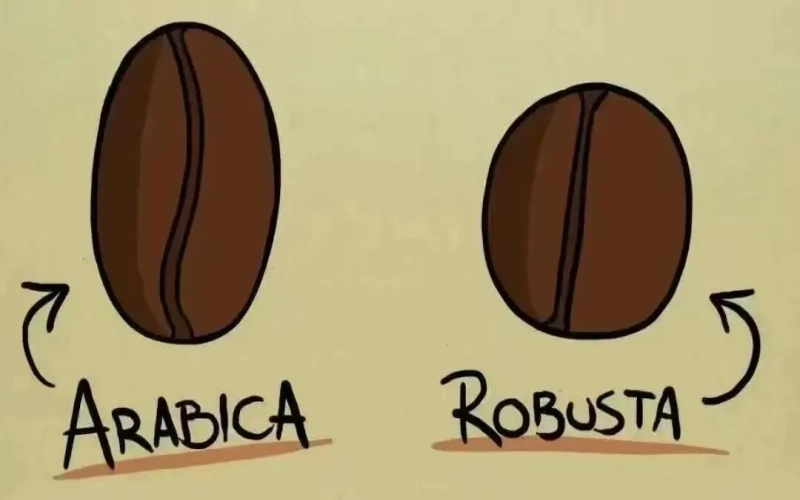
Typica is often regarded as the archetypal representative of Arabica, a perception rooted in both historical origins and its distinct botanical characteristics and flavor profile. This article begins with the origin and naming of Typica, traces its position in the history of the coffee trade, and explains in detail its bean shape, tree form, young leaf color, low yield, weak disease resistance, and demanding growing conditions. It also explains why, even after the promotion of numerous high-yield varieties, some origins still insist on cultivating Typica, and introduces the flavor differences and roasting approaches of two Typica coffees: Front Street 2013 and Jamaica Blue Mountain No. 1. [more…]
Papua New Guinea Bird of Paradise Coffee Beans: Full Analysis of Typica Lineage, Blue Mountain Origins, and Pricing
Front Street Papua New Guinea Bird of Paradise coffee beans are surprisingly made from the oldest and most classic variety, Typica, sharing the same lineage as the famous Front Street Jamaica Blue Mountain and Front Street Hawaii Kona. This also explains why Bird of Paradise coffee is not exactly affordable. However, aside from being able to drink Papua New Guinea beans at certain chain coffee shops, you can actually easily get your hands on this coffee from a niche origin at home for everyday drinking. This article will outline the origin and spread of Typica, its main cultivated varieties, and include a tasting comparison of three beans—Front Street Blue Mountain, Front Street 2013 Typica, and Bird of Paradise—along with brand recommendations and value-for-money analysis, to help coffee lovers gain a comprehensive understanding of this precious tree variety. [more…]

Analysis of Yunnan Arabica Coffee Variety Characteristics: Flavor Differences Between Typica and Catimor and Price Reference
Yunnan is China's most important coffee-producing region, and the Arabica varieties grown there have evolved from Typica to Catimor. This article provides a detailed review of the variety origins, appearance characteristics, and flavor performance of Yunnan small-bean coffee, compares the differences between Typica and Catimor, and introduces Front Street's Typica cultivation practices in the Lincang production area. It also covers the characteristics of washed and natural processing methods, suggested brewing parameters, and flavor descriptions and price information for several Front Street Yunnan coffees, helping coffee enthusiasts gain a comprehensive understanding of the current status and quality potential of Yunnan Arabica coffee. [more…]
Is Typica a Robusta? A Detailed Explanation of the Typica Variety's Characteristics, Origins, and Blue Mountain Coffee Flavor
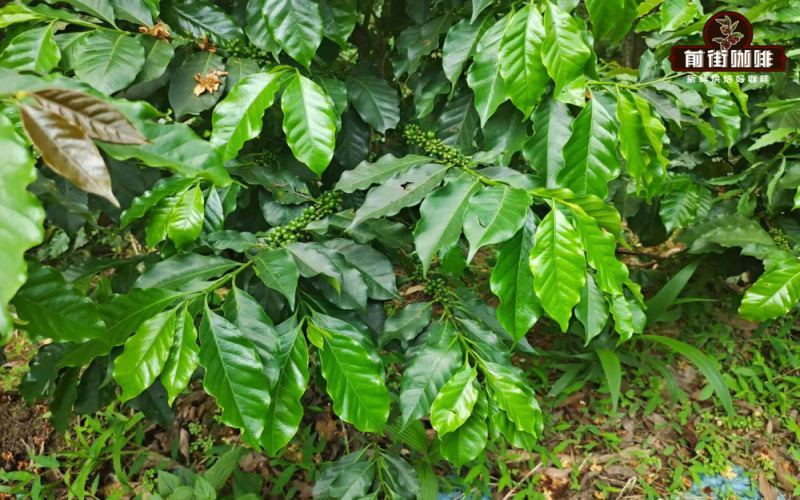
Typica is one of the oldest Arabica varieties in the coffee world, known for its clean and balanced flavor—Jamaican Blue Mountain and Hawaiian Kona both come from this variety. But is it actually Robusta? This article will sort through Typica's botanical characteristics, its origin and spread, its demanding requirements for the growing environment, and the unique terroir and flavor expression of Blue Mountain Typica, combining the cupping and pour-over parameters of Front Street Coffee's Jamaica Blue Mountain No. 1 Coffee to help coffee lovers gain a comprehensive understanding of this classic variety. [more…]

Origin Tracing of the Typica Coffee Variety and the Characteristics of Yunnan Producing Regions: A Taste Comparison from Baoshan Washed to Lincang Natural
As one of the oldest native varieties of Arabica, Typica occupies a special place in the development of Yunnan coffee. Since 1904, when French missionaries planted the first coffee trees in Zhukula, Typica has shared an indissoluble bond with the land of Yunnan. Although Catimor has now become the dominant variety in Yunnan, some growers still persist with Typica in pursuit of more delicate flavor expression. Front Street Coffee has explored washed and natural Typica coffees in Baoshan and Lincang respectively, accumulating rich experience from cultivation management to extraction and serving. This article will systematically review Typica's varietal characteristics, the terroir differences between Yunnan's two major producing regions, and the complete presentation of Front Street's 2013 natural Typica from pour-over to espresso SOE, taking you through a comprehensive understanding of this ancient variety's unique charm in Yunnan. [more…]
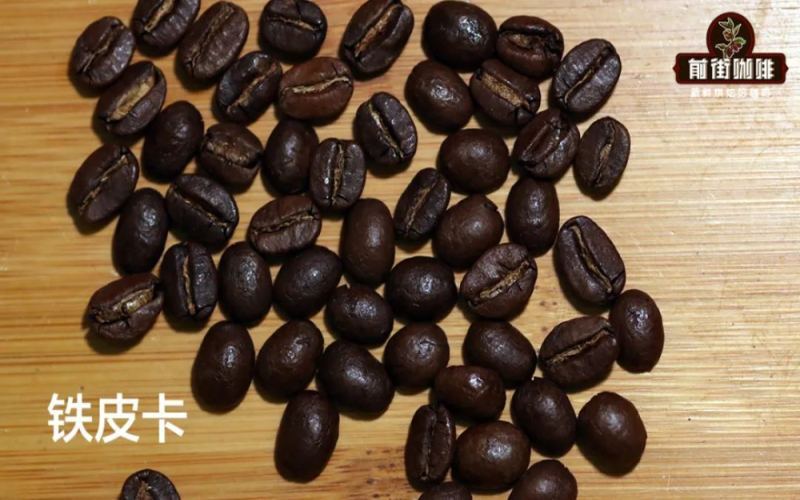
The Origin Story and Variety Characteristics of Typica Coffee Beans: Does It Belong to Arabica?
Typica is one of the oldest varieties of Arabica coffee, originating in Ethiopia and once widely cultivated around the world. It is known for its elegant, clean flavor and excellent cupping performance, but it has weak resistance to disease and pests and requires high-altitude growing conditions. This article will review Typica's botanical characteristics, flavor profile, historical spread, and the impact of disease, and introduce well-known producing regions such as Jamaica Blue Mountain, Hawaii Kona, and Yunnan, China. At the same time, Front Street Coffee's experience growing Typica in Lincang, Yunnan, as well as the product characteristics of Front Street Blue Mountain No. 1 and Front Street 2013 Sun-Dried Typica, will also be presented together to help readers fully understand the past and present of this classic variety. [more…]
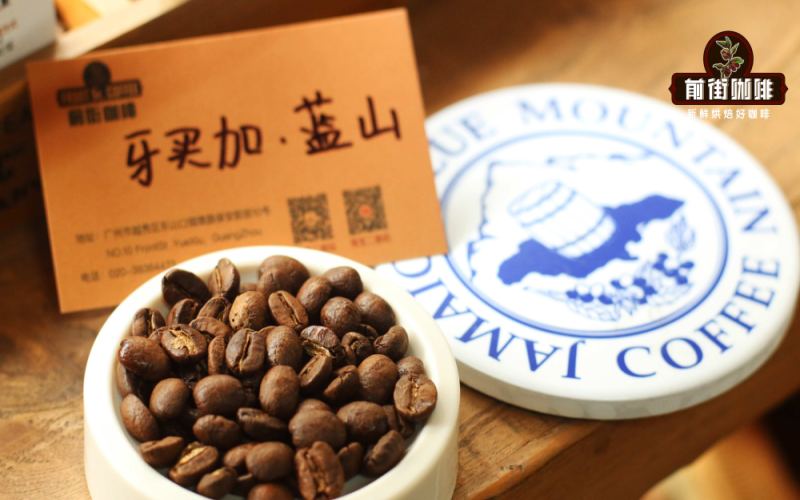
What Is the Connection Between Blue Mountain Coffee and Arabica? From Typica Variety to Flavor and Mouthfeel, Explained in One Go
Blue Mountain coffee has long been crowned with the reputation of "King of Coffee," yet today when people discuss good coffee, they more often mention the Arabica variety. What exactly is the relationship between these two? Is Blue Mountain actually Arabica? From the perspective of Front Street, this article first clarifies that Blue Mountain is the name of a producing region rather than a variety name, then traces the Typica lineage to which it belongs—Typica being one of the purest representatives of Arabica. The article also examines Typica's botanical characteristics, its origins and spread, its demanding growing environment requirements, as well as the terroir conditions of Jamaica's Blue Mountain core producing region and the CIB certification rules. Finally, Front Street will share the cupping performance and pour-over parameters of Blue Mountain No. 1, helping readers fully understand the flavor sources of Blue Mountain coffee from variety, origin, to brewing. [more…]
Which coffee species does Typica belong to? A detailed explanation of coffee variety characteristics and Yunnan production region distribution
Among the three core elements of specialty coffee, variety has always been the most complex and fascinating topic. This article starts from botanical classification, sorts out the historical origins of Arabica and Typica, traces Typica's spread from Ethiopia to Yemen, India, Europe, the Americas, and even Yunnan, and compares the background of Catimor's rise with the terroir characteristics of major Yunnan producing regions. It also introduces Front Street Coffee's choice to grow Typica in Yunnan, as well as the flavor performance and brewing parameters of Front Street 2013 Sun-Dried Typica, providing coffee lovers with a complete guide to understanding varieties. [more…]
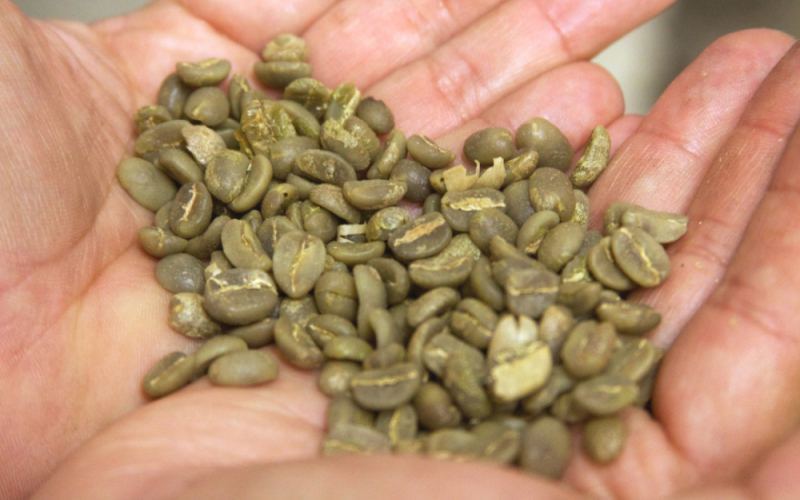
Analysis of the Origins of Typica and Bourbon Varieties: A Flavor Comparison of Blue Mountain Typica and Geisha Coffee
As one of the oldest native varieties in the Arabica family, Typica has elegant flavors but a delicate constitution, giving rise to numerous variants, with Bourbon and Geisha being representative examples. This article starts with four coffees from Front Street Coffee shops to trace the genetic relationships between Typica, Bourbon, and Geisha, explain in detail the flavor characteristics and brewing parameters of Jamaican Blue Mountain Typica, and introduce the origins and performance of varieties such as Maragogype, Geisha, and Yellow Bourbon, helping coffee enthusiasts understand how varietal differences affect the flavor in the cup. [more…]